admin
Decoding EU Regulations on Non-Alcoholic Beverages: Your Must-Read Guide for the utmost compliance
When it comes to drinking and eating, compliance of regulations isn’t only a legal necessity but an essential component of consumer confidence and security. A key aspect of this is that the European Union (EU), famous for its strict regulations place a great deal of importance on ensuring that non-alcoholic beverages are of the highest standards of safety and quality. The first piece in our series, seeks to understand the intricacies of EU regulations that govern non-alcoholic drinks.
Knowing the EU Framework
A brief overview of EU Regulatory Organizations
In the midst of EU guidelines for non-alcoholic beverages are several key regulatory agencies and each plays an important duty in ensuring the safety of products on the market are and are safe to consumers.
1. The European Commission: Often considered the executive branch within the EU as a whole, the European Commission takes charge of developing legislation and implementing the decisions. In the case of regulations governing food and beverages, the Commission is a key player in setting the regulations which alcohol-free drinks are allowed to function.
2. EFSA (European Food Safety Authority ):It is an non-profit agency provides expert advice and scientific information on foods and feed safety to and the EU institutions. The expertise of EFSA is crucial in reviewing the safety of ingredients as well as the ingredients used in non-alcoholic drinks.
3. National Authorities In addition to EU-wide rules, each member states can have their specific regulations. National authorities monitor compliance with EU regulations at the local level.
legal Framework
Understanding EU regulations regarding non-alcoholic drinks requires a thorough understanding of the legal framework governing them. The EU employs two major types of law which include directives and regulations.
EU Regulations: These are directly applicable throughout the entire member state and do not require separate national laws. When an EU regulations is passed the law becomes effective in all member states simultaneously.
EU Directives: Directives, on the other hand, set out the goals that member states have to reach. It’s up to each state member to adopt its national laws to comply with the directive.
The interplay between EU regulations and laws of member states could at times be confusing, and require firms to navigate both all-encompassing EU regulations as well as specific national implementations.
Knowing the regulatory framework is the first step to ensuring compliance with EU laws on non-alcoholic drinks.
In the coming section, we’ll explore some specific elements of EU regulations, with a particular focus on ingredient labeling and labeling requirements, which are of paramount importance to companies operating in the beverages industry.
Follow us as we investigate the complexities of ingredient labels and the regulations within the EU for non-alcoholic beverages.
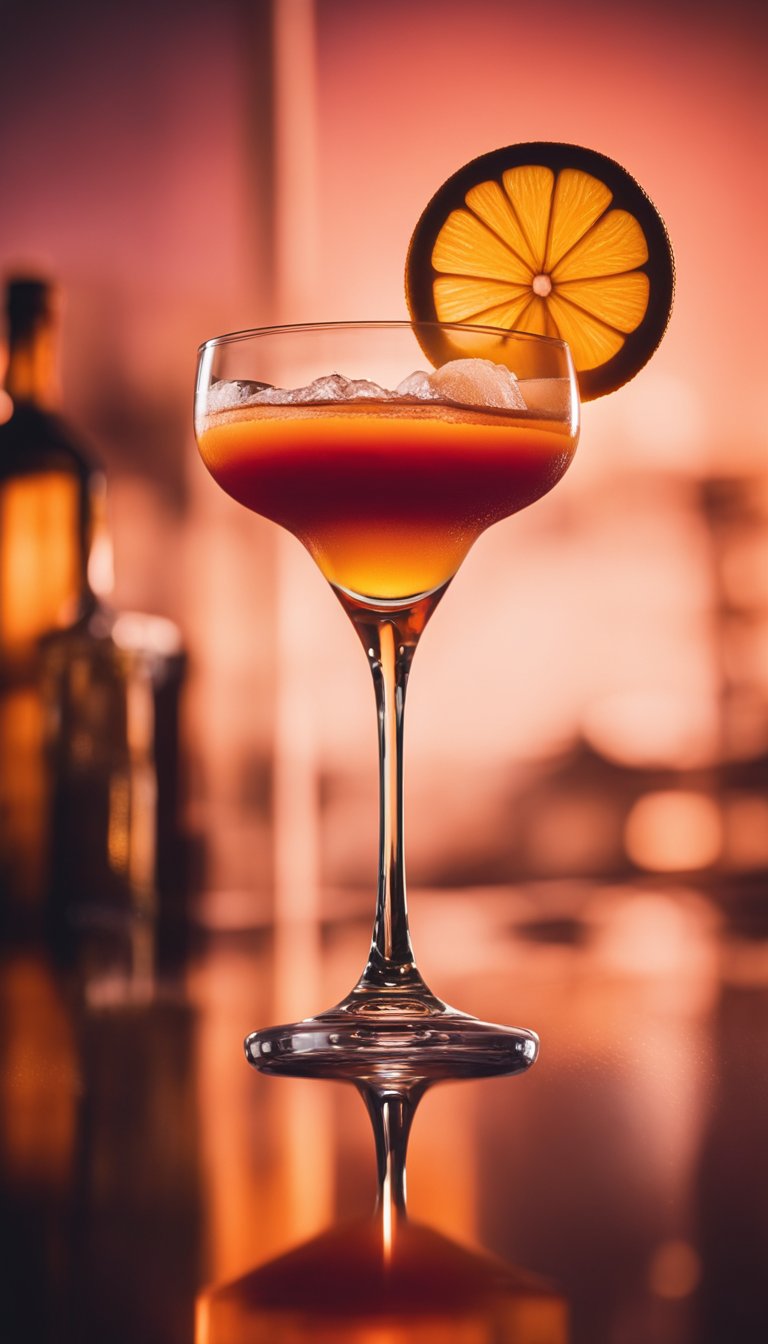
Finding the EU Regulations: Labeling and Ingredient Requirements for non-alcoholic beverages
In the first section that we covered, we began a journey to gain a better understanding of the web of EU laws governing non-alcoholic drinks. Now, let’s dive deeper into the specifics, focusing on labeling requirements and ingredient requirementsaEUR”a essential area of conformity that is essential for any business operating in the industry of beverages.
Guideline for Labeling
Klarity, and Transparency
EU regulations are extremely precise when it comes to the labeling of non-alcoholic beverages. It is the primary objective to ensure that consumers receive truthful and accurate information on the products they purchase. Here are some essential aspects of labeling guidelines:
1. Name of the Beverage The name should clearly identify the nature of the beverage. Names that are misleading and could mislead consumers are strictly forbidden.
2. Ingredients List: Alcohol-free drinks are required to provide a list ingredients in which each ingredient is listed in order of weight, descending.
3. Allergic Information: In the event that the drink includes any of 14 allergens that are listed within EU Regulations (e.g., nuts, milk or gluten) They must be clearly noted in the list of ingredients.
4. Net Quantity: This is the quantity of the beverage must be listed in liters, milliliters, centiliters, kilograms grams, milligrams or liters in relation to the beverage.
5. Best Before/Use By dates: Non-alcoholic beverages with shelf life of less than one year must be accompanied by a “use until” date. If they have a longer shelf life should show an “best before” date.
Nutrition Declaration
In recent years, EU regulations have mandated alcohol-free beverages to offer nutrition details per 100 ml the beverage. This includes details on the energy value as well as the amount of fat, saturates sugars, carbohydrates proteins, salt, and fat.
Ingredient Requirements
Use of Additives
EU regulations regulate the use of additives in non-alcoholic beverages. Additives need to be legal and safe to consume, and are used for a technical purpose (e.g., preservatives, colorants, sweeteners).
Natural Mineral Waters
For beverages labeled as “natural mineral water,” EU regulations are particularly stringent. These waters must be from approved sources and fulfill specific criteria regarding purity and mineral content.
Fruit Juices and Nectars
In the event that a non-alcoholic beverage is made up of nectars or juices made from fruit, it should meet standards for fruit content. For example, nectars made from fruit must contain at least 25 percent content of fruits.
Sweeteners
The consumption of sweeteners can be controlled to ensure safety and protect the interests of consumers. The labels must clearly inform consumers whether sweeteners are included.
What’s Next?
As we’ve observed, EU regulations on labeling and the requirements for ingredient use in non-alcoholic beverages are extensive and are designed to protect consumer interests. Complying and understanding these regulations is crucial for businesses in this industry.
In the next segment we’ll dive into the standards for safety and quality by exploring how EU laws ensure non-alcoholic drinks meet the highest standards of quality. Join us on this journey to decode the complexity of EU regulations more.
Stay with us as we discover the world of safety and quality standards established by EU regulations governing alcohol-free drinks.
Maximize Your Offerings: Bulk Order Alcohol-Free Spirits Directly from Swedish Distillers!
Security and Quality Standards Providing Top-Notch Non-Alcoholic Beverages in the EU
Through our exploration of the maze of EU laws governing non-alcoholic beverages We’ve discovered vital information concerning labeling requirements and ingredient specifications. Now, let’s continue our exploration by delving into the world of quality and safety standardsaEUR”critical aspects that uphold the integrity of these beverages in the European market.
Quality Standards
Water Quality
Water is the primary ingredient in many non-alcoholic drinks Its quality is of paramount importance. EU regulations mandate that water used to make beverages must meet strict quality requirements. This ensures that the water’s source, treatment as well as its transportation do not compromise beverages’ safety or flavor.
Natural Mineral Waters
In the case of beverages labeled “natural mineral water,” EU regulations are particularly rigorous. These waters must originate from reliable sources and must meet strict requirements for mineral composition and purity. Natural mineral waters are renowned for their unsurpassed quality and distinctive mineral composition, which makes them an invaluable asset to the non-alcoholic beverage industry.
Fruit Juice Purity
In beverages containing fruit juices in the EU enforces specific fruit content standards. For instance, nectars made from fruit must have a minimum amount of fruit content in order to guarantee the authenticity of the beverage and its quality.
Hygiene and Production Practices
Maintaining an impeccable level of hygiene during the production process is crucial. EU regulations demand that all processing facilities that produce beverages adhere to strict hygiene and safety standards to avoid contamination and ensure safety for the product.
Safety Standards
Microbiological Criteria
Microbiological safety is a non-negotiable component of non-alcoholic beverage production. EU rules establish microbiological requirements to ensure that drinks are free from harmful microorganisms that may pose dangers to the health of consumers.
Contaminant Limits
To protect consumers’ health, EU regulations define maximum limits for different contaminants in non-alcoholic drinks. These contaminants comprise mycotoxins, heavy metals and pesticide residues. In-depth monitoring and testing methods are in places to ensure compliance with the limits.
Additive Safety
Additives that are used in non-alcoholic beverages must be carefully evaluated for safety. EU regulations require extensive scientific evaluations and risk assessments prior to approving additives for use. This will ensure that consumers aren’t at risk of being exposed to risks that are not necessary.
The Role of Quality Control
Quality control plays a significant aspect in ensuring that all non-alcoholic beverages are of the highest standard in terms of quality and safety. Manufacturers are accountable for the implementation of strict quality controls, starting with the source of raw materials and continuing to the final stage of production.
What’s to Come?
Safety and quality standards are the foundations on which the popularity of non-alcoholic beverages is built on the EU market. In our next section, we’ll explore the intricate market of packaging and marketing regulations, and shed light on how these aspects contribute to the overall legal landscape.
Stay tuned for our next step into the realm of marketing and packaging laws, crucial elements of EU compliance for non-alcoholic beverages.

Marketing and Packaging: Navigating the EU Regulations for Non-Alcoholic Beverages
As we continue our journey through the intricacies of EU regulations governing non-alcoholic beverages, we find ourselves at a crossroadsaEUR”packaging and marketing. These issues are important not only to ensure compliance however, they are also important for capturing the attention of the consumers in a competitive market. Let’s explore the world of regulations for marketing and packaging within the European Union.
Packaging Regulations
Material Safety
The EU is committed to ensuring that the substances used in beverage packaging are not harmful to the drink’s contents. Manufacturers must adhere to strict standards for products like glass, plastics, and even metals. This ensures that the packaging does not alter the composition or safety of the beverage.
recycling and sustainable
Environmental sustainability is a growing issue, and the EU supports eco-friendly packaging solutions. Regulations are designed to reduce production of waste and promote recycling. This is done by setting goals for the use of recyclable packaging materials and reduction of waste packaging.
Tags and presentation
Labeling is an essential aspect of packaging. EU regulations demand specific and precise information on labels, including the label’s name, ingredients list details, nutritional information, and allergen declarations. These labels aid consumers in making decisions based on information and transparency.
Marketing Regulations
Truthful Advertising
Non-alcoholic beverages for marketing in the EU must adhere to principles of honesty and accuracy. Any claims made in advertisements that claim health benefits, for example or the benefits of ingredients, must be proven by scientific evidence.
Security of Minors
Due to the possibility of appealing non-alcoholic drinks to minors marketers must stay clear of targeting this demographic. The EU is a strict regulator to stop advertising that could encourage underage consumption.
Alcohol Imitation
Non-alcoholic drinks shouldn’t be used to mimic the packaging or appearance of alcoholic drinks. This reduces confusion among consumers and ensures the marketing of these products remains simple and transparent.
Challenges and Innovative Ideas
Making sense of the regulations for marketing and packaging isn’t easy, but they also offer opportunities for creativity. Many companies are moving towards eco-friendly packaging materials, which correspond with regulatory requirements as well as consumer demand for environmentally friendly choices. Innovative marketing strategies focusing upon health benefits and unique flavour profiles are making waves in market share in the EU market.
What’s Next?
Our look at EU regulations for beverages that are not alcoholic could not be complete without considering the important aspect of ensuring compliance with these rules. In the next section, we’ll dig deep into the strategies and guidelines that can help businesses comply with EU’s strict standards.
Keep watching as we discover the secrets to comply with EU standards for non-alcoholic beverages.
Insuring EU Regulations for Non-Alcoholic Beverages: A Comprehensive Guide
It’s time for the fifth final portion of our detailed guide on the complexities of EU rules for alcohol-free beverages. Through this series, we’ve been exploring the intricacy of rules that govern the production of safety, labeling, and marketing of non-alcoholic beverages within the European Union. In this article’s final installment we’ll give a summary of the most important information from every section and provide conclusions about the problems and opportunities of this highly regulated sector.
A Recap Our Journey
Section 1: Production Standards
In our previous article we discussed the production standards that are set by the EU for non-alcoholic beverages. It is important to note that the following points are among them:
- Stringent hygiene and safety standards for production facilities.
- Guidelines for ingredient selection and the quality.
- It is vital to comply with the highest residue levels for pesticides and contaminants.
- The importance of adhering to Good Manufacturing Practices (GMP) is essential.
Section 2 The Nutritional Information and Labeling
In our second article, we spoke about the importance the correct labeling of food items and nutritional information. Highlights include:
- The labeling must be clear and accurate with ingredient lists, nutritional information and allergen declarations.
- The importance of honesty in advertising and the need for solid scientific proof to back up assertions.
- The prohibition against fraud by misleading consumers with false promises.
3, Section 3. Safety and Quality Assurance
The third article in our series was dedicated to safety and quality assurance. Highlights of the article:
- Safety standards that are stringent to avoid contamination and ensure the safety of non-alcoholic beverages.
- The importance of Hazard Analysis and Critical Control Points (HACCP) in safeguarding food safety.
- Monitoring and traceability allows us to quickly find and resolve safety concerns.
4. Marketing and Packaging
In the fourth article we examined the laws relating to marketing and packaging:
- Standards for the safety of packaging materials in order to avoid contamination.
- The emphasis is on sustainability and recycling in packaging.
- Guidelines to ensure fair advertising in order to safeguard minors as well as the prevention of fake alcohol.
Opportunities and Challenges
As we finish our walk through EU rules for non-alcoholic drinks, it’s clear that this business is a challenge and opportunities. The challenge lies in navigating the complexities of regulatory regulations for compliance, while keeping up with the changing preferences of consumers for environmental sustainability and health-conscious options.
But, there are huge chances for companies to respond to these obstacles:
-
Innovative: Developing eco-friendly packaging and marketing strategies that highlight health benefits will set you out from competitors.
-
Transparency: Being in compliance with labeling regulations and advertising regulations doesn’t just guarantee conformity but also increases consumer trust.
-
safety: A focus on safety, quality and assurance will protect your brand’s reputation and protect consumers.
Conclusion
In this series, we’ve explored through the many facets of EU laws governing non-alcoholic beverages. From production standards to packaging, marketing, and safety Compliance is crucial to success in this industry.
As you navigate through these regulations take note that they’re put in place to protect customers and to guarantee the highest quality standards. Adopt a culture of sustainability, innovation and transparency to succeed within the crowded EU markets for non-alcoholic drinks.
We thank you for taking us on this educational journey. We wish you a wealth of insights into the regulatory landscape of non-alcoholic drinks within the EU.
This is a recap of ALL Articles in this Series
-
1. Production Standards
-
Section 2 Section 2: Nutritional Labeling and Information on Labels
-
Third Section: Safety and Quality Assurance
-
4. Packaging and Marketing
Continue to work towards success in the world of non-alcoholic beverages be sure to keep up with the most recent EU rules and regulations.
Exploring the World of Alcohol-Free Spirits
In recent years, there’s been a noticeable shift in the world of beverages. With health-consciousness rising and the desire to make sensible choices, the use of alcohol-free spirits has increased. Abstinence from alcohol associated with bland drinks and instead, it’s an possibility to taste a variety of enthralling and exotic flavours.
In this article we set out on a trip to discover the exciting world of alcohol-free spirits. We’ll take a look at the different kinds, analyze their flavor profiles, and discover how they can be utilized as a plethora of base ingredients for drinks that are enticing. It doesn’t matter if you’re a no-drinker, someone who is a driver with a specific role, or simply looking to cut down on the amount of alcohol you consume, there’s a drink in the world of alcohol-free spirits suitable for all.
The emergence of alcohol-free spirit
Big, innovative and becoming increasingly sought-after drinks that are alcohol-free have become the leaders in the beverage industry. In the past non-alcoholic beverages were limited to sodas, juices, or sugary mocktails, which often resulted in non-drinkers feeling that they were omitting the sophistication and sophistication that comes with liquor-based cocktails. However, the advent alcohol-free spirits has altered the rules completely.
This trend isn’t just an fad. It’s a reflection of evolving consumer habits. People are seeking alternatives that allow them to enjoy their social drinks and not suffer the adverse effects of alcohol. This could be due to health reasons like pregnancy, sobriety or simply to discover new flavors, alcohol-free spirits has carved out a niche in the market.
Alcohol-free Spirits: Different Types
In the case of alcohol-free spirits, the diversity is overwhelming. Similar to alcohol-based ones They are available in different designs, each with their own distinct flavor profile. Let’s have a closer take a look at the top sought-after kinds:
1. Non-alcoholic Gin
Gin famed for its botanical infusions, has now discovered its non-alcoholic cousin. Non-alcoholic gins capture everything traditional about gin, featuring juniper in addition to a myriad of herbs and spices. They impart the gin-like taste without alcohol making them ideal for creating alcohol-free versions classic cocktails such as cocktails like G&T.
2. Alcohol-Free Whisky
If you’re a whisky lover and whisky lovers, the idea of going off alcohol could be seen as a sinister move. However, non-alcoholic whiskies are here in order to change your perception. They replicate the smoky, woody, and sometimes peaty notes of traditional whisky. You can drink it neat by itself, on the rocks or as part of a sophisticated cocktail, alcohol-free whisky gives you new options.
3. Non-Alcoholic Rum
The tropical allure of rum is undeniable, and non-alcoholic versions are now on the market for you to experience the same sensation. Infused with caramel, vanilla, as well as spices, non-alcoholic rum is a versatile choice for creating exotic cocktails reminiscent of the most memorable Caribbean vacation.
4. Alcohol-Free Vodka
The vodka is known for its neutrality and flexibility, vodka is a favorite choice among those of spirit that is alcohol-free. Alcohol-free spirit provides a pristine base for mixologists to create the most diverse cocktail options. From refreshing and fruity to spicy and bold, the possibilities are endless.
5. Other Varieties
Beyond these primary categories, the market for alcohol-free spirits continues to grow. There’s alcohol-free Tequila, brandy as well as non-alcoholic amari and brandy, each of which offers a unique flavor experience.
Flavor Profiles and Combinations
Each type of alcohol-free spirit has a distinct flavor profile. Understanding the profile is key to making great mocktails. Just as you would pair wines with food, alcohol-free spirits can be enjoyed with various ingredients to enhance their flavours. Here’s an idea of how to pair spirits with complementary elements:
-
Non-alcoholic Gin The notes of plants in non-alcoholic gin pair beautifully with citrus, herbs such as mint and basil, as well as floral components like lavender.
-
Alcohol-Free Whisky: The smoky and woody flavor of whisky made without alcohol shine when they are paired with sweetness notes like honey or maple and also with spice such as cloves and cinnamon.
-
Non-alcohol Rum tropical fruits like coconut and pineapple go well with the Caribbean atmosphere of rum with no alcohol Spices like nutmeg and allspice add depth.
-
Alcohol-free Vodka The neutrality of Vodka makes it a great candidate for different flavor profiles. It’s delicious with fruits or herbs and spices, depending on the desired cocktail.
-
Others Varieties The trick is to play around and try. It doesn’t matter if it’s non-alcoholic tequila made with lime and agave or alcohol-free Amaro with chocolate and coffee There are no limits to what you can do, and the possibilities are limited only by your imagination.
As we continue to explore the realm of alcohol-free spirits we’ll learn how these versatile ingredients can be used to make delicious cocktails and exotic combinations, sparkling mocktails, and more. In the next chapter we’ll provide you with the essential tools and ingredients needed to begin your journey to mixology.
Ready to get started? In the next section, we’ll set up your mixology space and then stock your pantry with all the ingredients you’ll need to prepare delicious alcohol-free cocktails based on spirits. Let’s get started!

Exploring Flavorful Mocktails with Alcohol-Free Spirits
In the world of beverages there is a craft to making delicious alcohol-free drinks which are anything but boring. While exploring the intriguing world of alcohol-free spirits, you’ll be at a junction in which mixology and creativeness blend seamlessly. In this chapter will explore ways to create delicious mocktails with alcohol-free spirits that can rival their liquor counterparts with regard to flavor and class.
Unleashing Your Inner Mixologist
Before we dive into crafting mocktails, it’s vital to prepare ourselves with the equipment and ingredients that will make our drinks more attractive. What you’ll need:
Essential Tools
- Cocktail Shaker A basic instrument for mixing ingredients and chilling your mocktails.
- Muddler: For gently mashing fruits, herbs, or spices to release their flavours.
- Strainer for ensuring your drinks are smooth and free of debris.
- Jigger for precise measurement of ingredients.
- Stirring Spoon is ideal for mixing ingredients with ease without any vigorous shaking.
- Glassware A selection of glasses to serve mocktails of various types.
Fundamental Ingredients
- Alcohol-Free Spirits The star of the show! Choose from a range of alcohol-free spirits according to your preference for flavor.
- Frische Fruits and Juices: Fruits with citrus like lemons and limes, along with berries and tropical fruits, will add zest and freshness into your mocktails.
- Herbs as well as Spices: Mint, basil, cinnamon and cloves are some examples of ingredients that can add to the complexity of your drinks.
- Sweeteners Such options as simple syrup, sugarcane, or honey could balance flavors.
- Soda Water: A basic ingredient in the creation of effervescent mocktails.
- Garnishes Lemon twists, citrus wedges, and even herbs can make your mocktails look appealing.
Constructing the Perfect Mocktail
We have all of our supplies and tools you can now dive into mocktail creation. Let’s explore some classic mocktail recipes that highlight the unique qualities of alcohol-free spirits:
1. Non-alcohol Gin and Tonic
Ingredients:
- 2 oz Alcohol-Free Gin
- 4 oz Tonic Water
- 1 Lime Wedge
- Ice Cubes
Instructions:
- Place ice cubes in a glass and fill it with cubes.
- Pour the alcohol-free spirit over the Ice.
- Simply squeeze the lime wedge through the glass and drop it into.
- Tonic water and stir gently.
2. Virgin Whisky Sour
Ingredients:
- 2 Oz Alcohol-Free Whisky
- 3/4 oz Freshly Squeezed Lemon Juice
- 1/2 oz Simple Syrup
- Lemon Twist as a Garnish
- Ice Cubes
Instructions:
- Fill a shaker with ice.
- Include the whisky with no alcohol as well as lemon juice and simple syrup.
- Shake vigorously.
- Strain into a rocks glass filled with Ice.
- Garnish with a lemon twist.
3. Pina alcohol-free – a Colada
Ingredients:
- 2 oz Alcohol-Free Rum
- 2 oz Coconut Cream
- 4 oz Pineapple Juice
- Pineapple Slice and Cherry for Garnish
- Crushed Ice
Instructions:
- Blend the alcohol-free, rum, coconut cream and pineapple juice together with crushed ice until it is smooth.
- Pour into glasses that are chilled.
- Serve with a pineapple slice and cherry.
These are just a few mocktails made with alcohol-free spirits. The options are numerous, and you’re able experiment with various combinations that suit the taste of yours. Keep in mind, the most important ingredient to a great mocktail is balance aEUR” an amalgamation of sweet, sour, and aromatic ingredients to dance on your palate.
Exploring Mocktail Pairings
One of my favorite aspects of creating mocktails is discovering the perfect cocktails to accompany various dishes and occasions. Here are some tricks for enhancing your mocktail:
-
Asian The flavors: Pair fruit-forward mocktails with Asian foods like sushi, or Thai curries for refreshing flavor contrast.
-
Grilled Feast Smoky and spicy mocktails complement grilled meats and veggies, offering great counterpoint.
-
Dessert Delights Sweet mocktails infused with a hint of spice are ideal drinks to pair with indulgent desserts with chocolate like cakes crA”me brA>>lA(c)e.
-
Brunch Bites These bright and citrusy mocktails are ideal to serve at brunch, and pair well with breakfast dishes like eggs benedict, or French toast.
With us on the travels through in the worlds of alcohol-free spirits and mocktail mixology Our next stop will be looking at the health benefits and safe consumption of these tasty drinks. Let’s raise to our glasses (mocktail glasses, that is) and enjoy the journey ahead!
In the next segment, we’ll delve into the health-conscious benefits of drinking alcohol-free spirit and how they can be part of a healthy, balanced lifestyle.
Wholesale Redefined: Get Your Alcohol-Free Spirits Direct from Swedish Distillers!
The Health-conscious Choice: Benefits and Advantages of alcohol-free Spirits
As we continue our exploration and exploration of the fascinating realm of alcohol-free spirits, we are at an important point in our journey to” comprehending the many advantages to choosing the alcohol-free alternatives. In this article we’ll discuss the numerous reasons why people have embraced alcohol-free spirits as a way to stay healthy and how it’s more than only a passing trend.
The Wellness Movement and Alcohol-Free Spirits
Embracing a Balanced Lifestyle
In the current world of wellness lots of people are looking at their choices, and are seeking balance in all aspects of lifestyle, including how they consume. Alcohol-free alcohol has become an option that fits perfectly with this idea.
Reducing Alcohol Intake
One of the most prominent reasons people opt for alcohol-free spirits is the desire to decrease their consumption of alcohol. Whether it’s for personal reason, pregnancy, or simply to be more conscious of consumption of alcohol, alcohol free spirits provide an option that let people enjoy the flavor of spirits without the associated alcohol content.
The Benefits of Going Alcohol-Free
Calorie Consciousness
Alcohol-free drinks are generally lower in calories when compared with their alcoholic counterparts. It is an appealing option for people who are conscious of calories and seeking a drink without sacrificing their diet.
Hydration and Refreshment
Alcohol-free spirits can be enjoyed in numerous ways, including mixing with soda or water and are a refreshing and refreshing option, especially in hot weather, or after the gym.
Absolutely No Hungovers
Perhaps one of the primary benefits of spirit that is alcohol-free is the absence of hangovers. People can indulge in their favorite tastes without suffering the negative consequences frequently associated with drinking alcohol.
Socializing that is inclusive, responsible and safe
designated drivers
Being a designated driver cannot mean that you must abstain from delicious drinks. Spirits that are alcohol-free allow designated drivers to be active participants in social gatherings while not compromising their safety.
Inclusivity
Alcohol-free spirits can be inclusive as they ensure that everyone including those who aren’t drinking and those who have dietary restrictions, are able to enjoy toasts and celebrations without feeling left out.
The Role of Mixology
Advanced Mixology
Mixologists and bartenders have accepted alcohol-free spirits for a canvas to explore their creativity. They create intricate and delicious drinks that are alcohol-free and rival counterparts that are alcoholic, and ensure that those who do not drink alcohol can still enjoy premium, handcrafted beverages.
Expanding Palates
For those who are looking for new taste drinks, alcohol-free spirits are available in an array of tastes and profiles. From botanical and herbal to smoky and spicy, there’s a world of palate-pleasing alternatives to try.
The Intersection of Flavor and Well-Being
In exploring the world of alcohol-free spirits as well as their numerous advantages, it becomes clear the fact that these alternative drinks are much more than a fashion. They’re a way of life motivated by a desire to achieve peace, equality, and the satisfaction of tasting flavors without the need of alcohol.
In the next section of the magazine, we’ll provide a more detailed to the creative side that alcohol-free spirits offer, and explore exciting mocktail recipes that will take your drinking experience to new levels. If you’re looking to learn more about how to make delicious alcohol-free drinks, keep following us as we begin a journey through mixology.
Are you interested in exploring the world of drinks that are alcohol free and discover the magic of mixology when you use these spirits? Let’s go on our quest and learn the art of making stunning mocktails as delightful as they are healthy.
The art of creating alcohol-free Cocktails: Enhance Your Sipping Experience
In our exploration of the realm of alcohol-free spirits have explored its health benefits, their growing popularity of the drinks, and the numerous flavors that these spirits provide. Now, as we delve deeper into this captivating world and come to the point at which creativity meets refreshment” making the process of crafting mocktails without alcohol.
Mixology Unleashed – Creating Alcohol-Free Masterpieces
Mocktail Renaissance Mocktail Renaissance
Mixology The art and science behind creating cocktails, has taken a new direction because of the rise of alcohol-free spirits. Mixologists and bartenders across the world are enjoying this trend and have created the renaissance of mocktails which take on the rules of traditional cocktail making.
Premium Ingredients
Just as premium liquors are the basic ingredient of classic cocktails. Top-quality alcohol-free spirits form the core for modern-day mocktails. These spirits, when infused with botanicals in the form of herbs, spices and plants give a variety of flavors that can be comparable to their alcohol-based counterparts.
Making Your Own Alcohol-Free Mocktail
Basis Elements
The process of making an alcohol-free mocktail starts with understanding the elements. You’ll need a starting point (the spirits that are alcohol free), mixers (juices such as sodas, sodas, or flavor waters) as well as sweetness enhancers (like syrups or honey), and garnishes (fruits or herbs spices).
The Power of Presentation
Presentation plays a significant role when it comes to the mocktail experience. From beautiful glassware to creative garnishes The visual appeal an alcoholic drink can improve the overall drinking experience.
The Journey through Flavor Profiles
Citrus Affects
Fruity flavors are a common choice in mocktail crafting. The lemony flavors of citrus, lime, and orange can bring a bright and refreshing some sourness in your drink.
Herbal Infusions
Herbs such a mint, basil and rosemary will fill the drink with a burst of freshness. They’re typically mixed together or used as garnishes to release their aromatic oils.
Fruit Fusions
Fruits are the top-quality drink ingredients. Whatever it is, whether it’s the sour taste of strawberries, the tropical vibes of pineapple or the earthy flavor of berries. The fruits add personality and dimension to your drinks.
Mixology Recipes to Inspire You Inner Mixologist
1. Sparkling Berry Bliss
Ingredients:
- 2 oz alcohol-free berry-infused spirit
- 1 oz cranberry juice
- 1 oz sparkling water
- Fresh mint leaves and berries to garnish
2. Citrus Sunrise Fizz
Ingredients:
- 2 oz alcohol-free citrus spirit
- 1 oz orange juice
- 1 oz pineapple juice
- A splash of the grenadine
- A slice of orange and maraschino cherry for garnish
3. Herbal Elegance
Ingredients:
- 2 oz alcohol-free herbal spirit
- 1 oz lemon juice
- 1 oz honey syrup (equal parts water and honey)
- Fresh rosemary sprigs and a lemon twist for garnish
Cocktail Mixology: The Place where Flavor meets Wellness
The process of creating alcohol-free mocktails does not only about imitating classic cocktails. It’s also about creating a brand new world of tastes and sensations. Each cocktail is an opportunity to play, explore, and enjoy unique flavour profiles while making healthy choices.
What’s Next on Our Journey?
We’ve revealed the secret of mocktail mixology, and how to create your cocktails that are alcohol free, our journey through an alcohol-free world goes on. In the following section, we’ll go over the importance of the responsible consumption of alcohol and socializing, shedding light on the ways alcohol-free spirits are shaping more open and thoughtful drinking culture. If you’re intrigued on the future for social drinking, continue reading, and let’s explore our future.
The Future of Alcohol-Free Spirits: Redefining Social Drinking
It’s time to conclude the fourth installment to our alcohol-free series. In this final installment, we travel into the future of drinking socially, examining how alcohol-free spirits have reshaped drinks culture. In this series, we’ve discovered the health benefits of drinking as well as the art of making mocktails as well as the intriguing flavor options offered by spirits that are alcohol-free. We’re now ready to look into the crystal ball to imagine a world where inclusive, mindful, and enjoyable alcohol-free drinking can be enjoyed without restriction.
The Rise of Mindful Consumption
A Shift in Perspective
One of the biggest patterns we’ve seen during the past few years is a shift to a different perspective concerning drinking. People are increasingly choosing to be conscious of what they consume and making decisions that are in line with their overall health and well-being goals.
ALCOHOL-FREE as the New Norm
Alcohol-free spirits have played a major aspect in this transition. They enable individuals to enjoy the social aspect of drinking but without the alcohol content. This means that people can indulge in delicious drinks with complete control over their drinking habits.
An Inclusive Drinking Culture
Breaking Barriers
In the world of non-alcoholic spirits, we are breaking the traditional restrictions on drinking. Whatever reason someone chooses to avoid alcohol because of religious, health, in a personal way, or any other reason they can be able to still enjoy drinking at social occasions without feeling disqualified.
Creative Mocktails for All
The rise of alcohol-free spirits has led to a new phase of creativity in mixology. Bars and restaurants are now equipped to offer a broad variety of mocktails. that non-drinkers have the opportunity to drink beverages that are just as enjoyable as traditional drinks.
Redefining Social Gatherings
The Host for Alcohol-Free
The idea of hosting social gatherings has changed due to the availability of alcohol free spirits. For those who do not want serve alcohol drinks at all times can provide a wide range of delicious mocktails. You can be sure that all guests have something unique to drink.
The Responsible Choice
Being responsible hosts has never been easier. When you provide alcohol-free spirits you’re not only able to accommodate all your guests, but also promoting responsible consumption.
A glimpse into the Future
Innovations Await
If we look ahead, it is possible to anticipate even more creativity in the spirits that are alcohol-free industry. From new flavors to advanced distillation techniques alternatives for alcohol-free cocktails are bound to increase.
Global Adoption
Alcohol-free drinks are receiving more attention worldwide. As more people adopt this trend, it’ll get more common to find alcohol-free options on menus and in social gatherings around world.
A Review of Our Journey
As we close this series We’ll have a minute for reflection on the principal moments from our exploration of alcohol-free spirits:
-
Article 1: In the first part of this journey by discovering the health advantages of drinking alcohol-free spirits, which range from better sleep to decreased intake of calories.
-
Article 2: Our team delved deep into making mocktails with no alcohol, where creativity does not limit itself as is presentation.
-
Article 3: Taste buds excited as we explored the universe of flavor profiles, from citrus-like sensations to herbal infusions.
-
Article 4 In the past, we’ve become mixologists independently, making mocktails that incite and delight.
-
Article 5 (This Article): We gazed into the future of social drinking, in which mindfulness, inclusion, and innovation rule supreme.
Cheers to a Better Future!
When we pour our glasses filled with delicious mocktails that are alcohol-free of courseaEUR”let’s be a part of a future where social drinking is more open, responsible, and enjoyable than ever before. Alcohol-free spirits haven’t just provided us with more options for drinks, but change our attitudes to drinking. So, whether you’re sipping refreshing lemonade or an elegant herbal elixir be aware that you’re part of an effort to transform the way we enjoy beverages.
We are grateful for your participation on this fascinating journey through to the world of alcohol-free spirit. We wish you continued to study, experiment, and enjoy the incredible flavors that this trend is gaining momentum to offer.
We wish you a brighter, more inclusive future of social drinking!